

City Overview
Durban is part of the eThekwini metropolitan area, with an estimated population of around 4.2 million people (2022), making it one of the largest urban areas in South Africa.
The population has grown steadily over the past decade, with a large working-age population (around 72%) and a relatively young demographic overall. At the same time, South Africa’s population is gradually ageing, with around 10% aged 60 and above, a proportion that continues to increase.
Durban is ethnically and culturally diverse, with a majority Black African population alongside significant Indian, White, and Coloured communities.
Dementia awareness and formal care systems are still developing, and care is often led by families, supported by community networks. Access to services can vary depending on awareness, affordability, and proximity, and pathways into care are not always clearly defined.
Voices
- All Categories
- Care Partner
- Living With Dementia
- Profesional
Insights
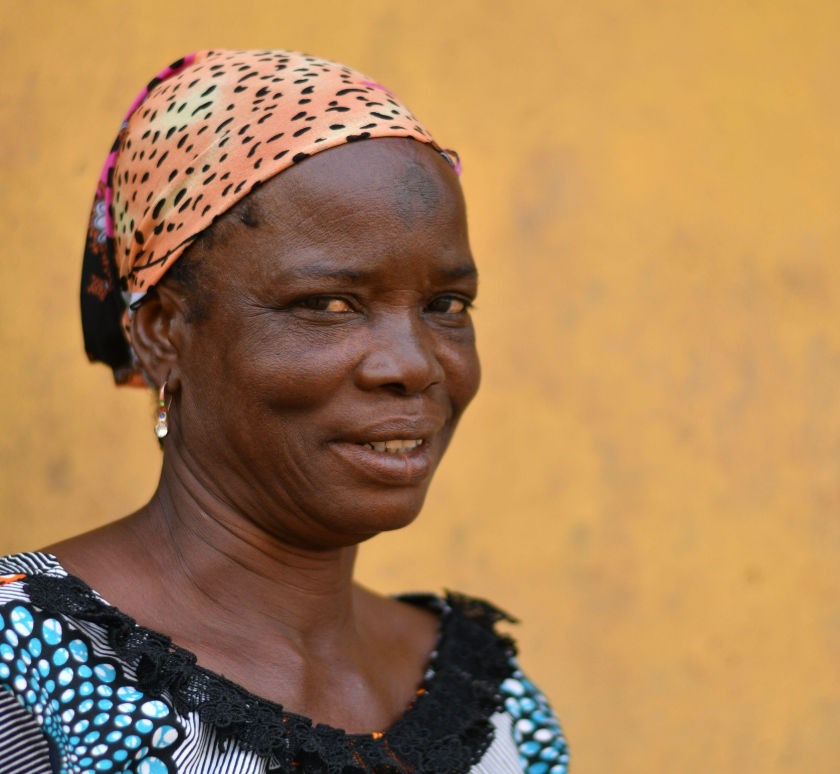
Insight 1: Dementia literacy as the starting point
One of the recurring challenges surrounding dementia is knowing when ordinary forgetfulness or ageing may represent something that needs further assessment. Misunderstanding dementia can contribute to delayed help-seeking and can leave families trying to manage changes without adequate information or support.
Explore this insight and possible actions
Dementia literacy therefore needs to extend beyond hospitals and clinics. Families, community members, workplaces, businesses and the wider public can all play a role in recognising cognitive changes, responding without stigma and helping people find appropriate support.
Kuala Lumpur’s multilingual and multicultural population also means that information should be communicated in accessible language and in ways that are culturally meaningful to different communities.
Possible actions
- Equip community-facing organisations with basic dementia awareness and communication skills.
- Increase accessible and multilingual dementia education.
- Bring dementia awareness programmes into community settings rather than relying solely on healthcare facilities.
- Help families understand where and when to seek professional assessment.
- Encourage conversations that challenge stigma and the assumption that dementia is simply a normal part of ageing.
Living well with dementia involves more than receiving healthcare. People living with dementia continue to be members of families and communities and should have opportunities to participate in everyday life for as long as possible.
This makes the wider environment important. Shopping centres, neighbourhoods, public spaces, transport systems, workplaces, pharmacies and community organisations can all influence whether a person living with dementia feels supported or excluded.
Kuala Lumpur can become more dementia-inclusive by bringing together people with lived experience, care partners, healthcare professionals, researchers, NGOs, businesses and local communities. Small changes in awareness, communication, signage, physical environments and staff confidence can collectively make public spaces easier and more welcoming to navigate.
Possible actions
- Evaluate community initiatives and share successful approaches across Malaysia
- Develop dementia-inclusive community spaces and businesses.
- Provide basic dementia awareness training for frontline and customer-facing staff.
- Involve people living with dementia and care partners in designing community initiatives.
- Explore clearer signage, wayfinding and accessible communication.
- Build partnerships across healthcare, academia, NGOs, businesses and local communities.

Insight 2: Supporting the person also means supporting the care partner
Much of dementia care takes place at home, with family members frequently taking on substantial caregiving responsibilities. Care partners may help with healthcare appointments, medicines, meals, finances, transportation, personal care and day-to-day decision-making while simultaneously managing work and family responsibilities. Information alone is therefore not enough.
Explore this insight and possible actions
Care partners need practical skills, opportunities to ask questions, emotional and peer support, respite options and clear pathways to trustworthy services.
Strengthening caregiver support can ultimately help both the person living with dementia and the wider family. Kuala Lumpur has an opportunity to connect clinical services, non-governmental organisations and community resources so families do not have to navigate the dementia journey alone.
Possible actions
- Recognise caregiver wellbeing as an important component of dementia care.
- Expand caregiver education and practical dementia-care skills training.
- Strengthen peer and caregiver support networks.
- Make information about respite, day-care and community services easier to find.
- Include care partners meaningfully in healthcare communication and care planning.
Resources
Government, University and Private Healthcare Services
People who are concerned about changes in memory, thinking or behaviour can seek an initial assessment through primary healthcare services or speak to their regular doctor. Where appropriate, they may be referred for further assessment by specialists in areas such as geriatric medicine, neurology, psychiatry or memory/cognitive services.
Malaysia has both public and private healthcare services that provide assessment and ongoing care for older adults and people experiencing cognitive changes.
Examples of government and university healthcare facilities in Kuala Lumpur and the Klang Valley include:
- Hospital Kuala Lumpur (HKL)
- University Malaya Medical Centre (UMMC)
- Hospital Canselor Tuanku Muhriz UKM (HCTM)
- Other Ministry of Health hospitals and health clinics, depending on the individual’s location and referral pathway.
Private healthcare options are also available across Kuala Lumpur and the Klang Valley, including private hospitals with geriatric medicine, neurology, psychiatry and related specialist services.
Who it’s for:
Anyone concerned about memory or cognitive changes, people seeking a professional assessment or diagnosis, people living with dementia requiring ongoing medical care, and their families or care partners.
Important: Availability of specialist services, referral requirements and appointment procedures differ between facilities. Individuals and families are encouraged to contact their preferred healthcare provider directly or speak with their primary healthcare professional about the most appropriate pathway.
Dementia and caregiver support is available through a growing network of organisations and community initiatives across Malaysia. Although this page represents Kuala Lumpur, families may have connections to different parts of the country or may be looking for support for relatives living elsewhere.
- Alzheimer’s Disease Foundation Malaysia (ADFM)
A national non-profit organisation supporting people living with dementia and their care partners through dementia education, caregiver support and training, advocacy, day-care and community-based initiatives.
Who it’s for: People living with dementia, care partners, families, healthcare professionals and the wider community.
- Dementia Association of Malaysia (DAMAI)
A Malaysian dementia advocacy initiative bringing together individuals and stakeholders committed to increasing dementia awareness, strengthening advocacy and promoting a more dementia-inclusive Malaysia.
Who it’s for: People living with dementia, care partners, advocates, professionals and members of the community interested in dementia awareness and inclusion.
- Johor Bahru Alzheimer’s Disease Association (JOBADA)
A community organisation supporting people affected by dementia in Johor, including people living with dementia and their families and care partners.
Who it’s for: People living with dementia, care partners and families, particularly those seeking support and dementia-related resources in Johor.
- Dementia Society Perak
A community-based organisation supporting people living with dementia and their families in Perak through dementia-related support, awareness and community activities.
Who it’s for: People living with dementia, care partners and families in Perak and surrounding communities.
- Penang Dementia Association
A non-profit organisation supporting people living with dementia and their families in Penang through dementia awareness, caregiver support and community-based activities.
Who it’s for: People living with dementia, care partners, families and communities in Penang.
- Sabah Alzheimer’s Disease Support Association (Sabah AZ)
A Sabah-based organisation providing support and advocacy for people affected by dementia and Alzheimer’s disease, including their families and care partners.
Who it’s for: People living with dementia, care partners and families in Sabah.
Finding support across Malaysia
Dementia support should not depend on where a person lives. Malaysia’s dementia community includes national and state-based organisations, healthcare professionals, community groups, advocates, researchers and people with lived experience.
Voices Here Kuala Lumpur can help connect visitors with these organisations and encourage people to identify support that is closest and most relevant to their own community.
- Tafta (The Association for the Aged)
Offers residential care, assisted living, and community-based support for older adults. - Fairhaven Retirement Village
Provides residential and assisted care services for older persons.
South African Depression and Anxiety Group (SADAG)
Offers national helplines and emotional support, which can be relevant for caregiver stress and
mental health.
Partners
 Interested in partnering with us? We'd love to hear from organisations and individuals who want to collaborate, contribute, or support this work. Join us in making a difference.
 No partners available for this city yet.